
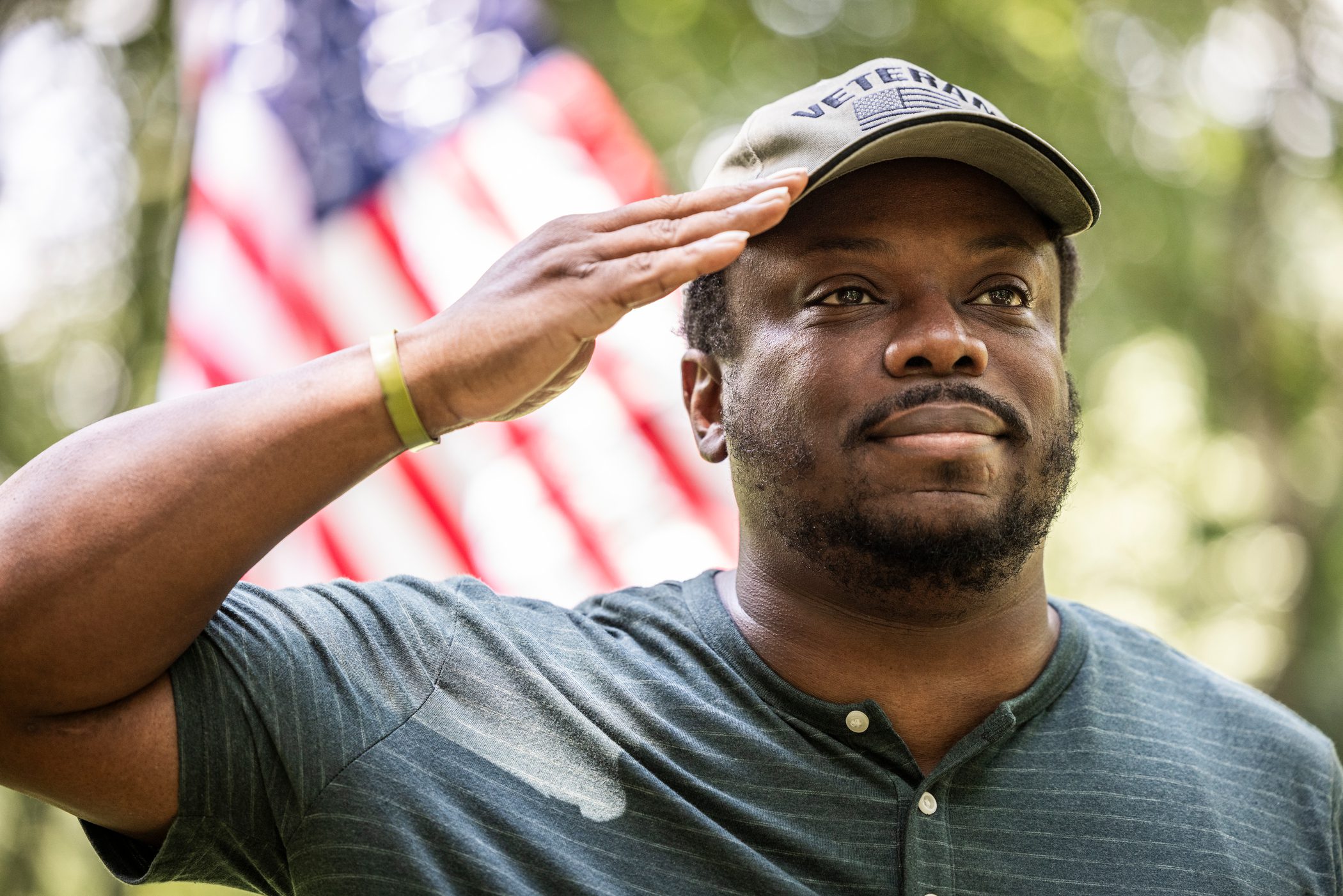
Returning home from deployment is rarely as simple as stepping off a plane and resuming a normal routine. For many service members, the invisible wounds of war persist long after the uniform is put away. The jarring shift from high-stakes deployments to quiet civilian neighborhoods presents a profound transition from combat to civilian life challenges.
When former service members finally reach out for help, they often find themselves sitting in standard clinical waiting rooms, trying to explain incredibly complex, combat-specific experiences to practitioners who lack military context. This frustrating reality underscores the core theme of beyond the battlefield: why veterans need specialized mental health care and not general psychiatry.
To truly support our service members, we must explore why standard clinical models fall short and what tailored care actually looks like.
The Military-Civilian Gap in Healthcare
When a veteran sits across from a civilian psychiatrist, an unspoken barrier often exists. Addressing the military-civilian divide in healthcare is not merely an ideological goal; it is a clinical necessity.
Standard psychiatric environments often treat symptoms in isolation — managing insomnia, anxiety or depression as separate biological issues. However, the clinical limitations of general psychiatry for veterans become obvious when practitioners fail to understand the structured, mission-first mindset of the military. Without a shared vocabulary or an understanding of unit cohesion and rank dynamics, standard providers can inadvertently alienate the very patients they are trying to heal.
Not Just Another Diagnosis: The Nuances of Veteran Trauma
A common question among both families and practitioners is: why is veteran PTSD different from general PTSD?
Civilian trauma often stems from singular, unexpected events. In contrast, combat-related posttraumatic stress disorder usually results from prolonged, hyper-vigilant exposure to high-threat environments, compounded by the heavy burden of leadership and loss. Effective post traumatic stress disorder treatment for veterans must address these compounded layers.
Furthermore, veteran trauma involves specific nuances rarely seen in the civilian world:
- Moral Injury: A critical component of effective care is understanding moral injury in combat veterans. This is a deep psychological wound that occurs when a service member’s actions, or inability to act, transgress their deeply held moral beliefs. It requires a different therapeutic approach than standard fear-based PTSD.
- Military Sexual Trauma (MST): The impact of military sexual trauma on mental health is uniquely devastating because it involves betrayal by the very institution and peers the victim relied on for survival. Specialized programs are essential to safely unpack and treat this profound breach of trust.
The Core Elements of Effective Veteran Care
To overcome these complexities, mental health professionals must rethink their approach to treatment.
Cultural competency and empathy
At the heart of effective treatment is military culture competency in therapy. Therapists must understand the unique ethos of the armed forces. Delivering culturally sensitive trauma-informed care for soldiers means recognizing that admitting vulnerability goes against everything a service member was trained to do. Providers must build trust through mutual respect, direct communication, and a clear understanding of military protocols.
Specialized treatments and programs
Robust military mental health programs do not rely on standard talk therapy alone. They incorporate targeted military trauma therapy, utilizing evidence-based modalities like Eye Movement Desensitization and Reprocessing (EMDR), Cognitive Processing Therapy (CPT), and Prolonged Exposure (PE), customized specifically for combat and operational stress.
Choosing the Right Care: Clinics vs. General Hospitals
When evaluating care facilities, the stark contrast between specialized veteran clinics vs. general psychiatric hospitals becomes glaringly apparent. General psychiatric wards often mix populations and rely heavily on pharmacological stabilization.
Conversely, tailored facilities focus on the whole veteran. For those in acute distress, specialized inpatient treatment for veterans provides a highly structured environment surrounded by peers who intimately understand the burden of service. These specialized centers are also much better equipped to implement evidence-based veteran suicide prevention strategies that have been rigorously tested and proven effective within military populations.
Overcoming Obstacles and Finding Support
Despite the availability of excellent care, significant barriers to veteran mental health access remain. Geographic isolation, bureaucratic red tape at the VA and the lingering stigma of seeking psychological help prevent thousands from getting the care they deserve.
The power of peer support
One effective way to bridge this gap is through the veteran peer support specialist benefits. Talking to a fellow veteran who has navigated the same darkness drastically reduces stigma. Peer specialists act as navigators, mentors and trusted confidants, proving that recovery is not only possible but achievable.
Embracing Life After Service: The Journey to Growth
The ultimate objective of specialized mental health care isn’t just symptom management — it is fostering post-traumatic growth after military service. With the right culturally competent support, veterans can process their experiences and transform their immense challenges into profound personal strength. They can discover new missions, forge deeper relationships and find a renewed sense of purpose in the civilian world.
Veterans have sacrificed immensely, enduring environments and making decisions most people will never have to face. They do not just need a doctor; they need a specialized team that understands the weight of the uniform. By prioritizing culturally competent, targeted care, we can ensure that those who fought for us on the battlefield are not left fighting alone when they come home. If you would like to learn more about our programs, please give us a call at 310-784-2219 or visit our website here.
If you or a loved one is experiencing a mental health crisis, CALL 988 or get to the nearest emergency room.


